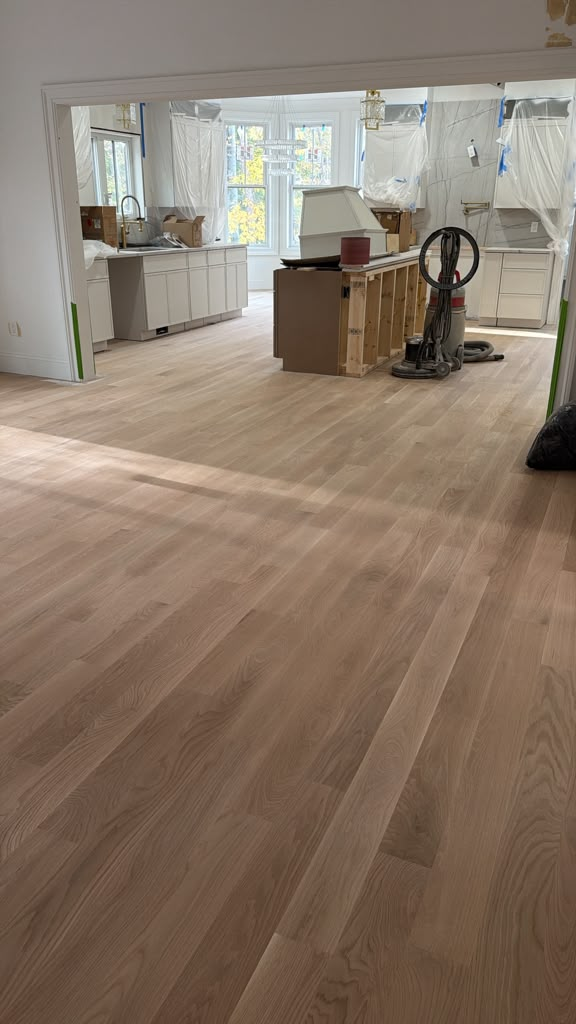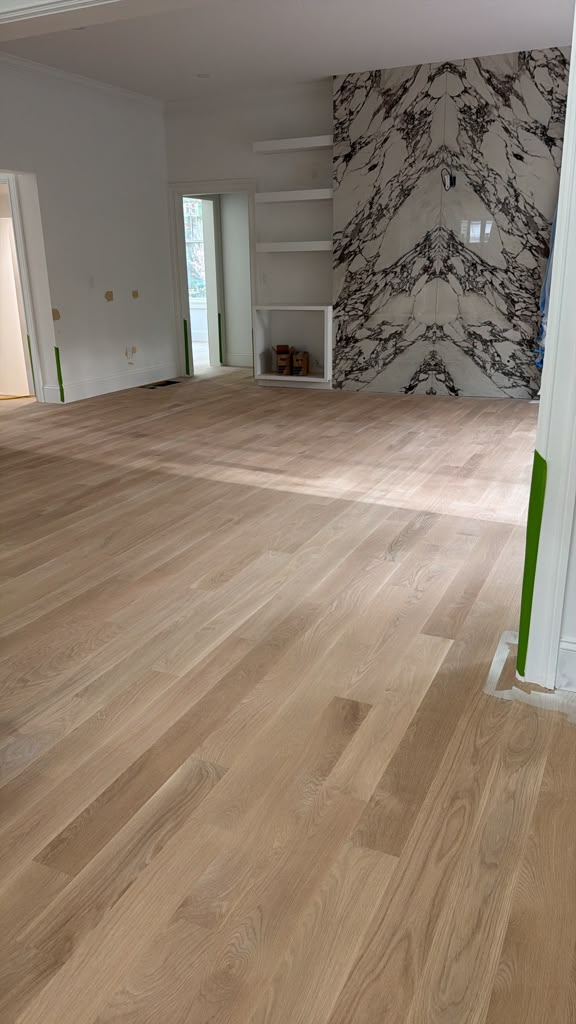

Click vinyl plank and SPC flooring give a Boston homeowner a wood-look surface built from layered vinyl rather than solid wood. Products in this category vary by core construction, wear layer thickness and how the planks lock together, and those differences affect which rooms and conditions are appropriate. LS Floor Works installs click vinyl and SPC plank flooring for Greater Boston homes. Share room measurements, photos of the existing floor and your preferred plank so the project scope can be discussed accurately.
Understanding click vinyl and SPC
Click vinyl plank locks together along the edges and is typically installed as a floating floor over an existing surface or subfloor. SPC, or stone plastic composite, is a rigid-core vinyl product that uses a similar click mechanism but with a denser, more rigid core than some other vinyl products. Thickness, wear layer rating and the specific locking system vary between manufacturers, and those specifications determine the appropriate installation method and site conditions. A product's water-resistant marketing does not mean it can be installed over a damp or unprepared subfloor; the manufacturer's stated limits should guide that decision.
Some SPC products include an attached underlayment pad while others require a separate layer to meet acoustic or comfort requirements, and the correct combination depends on the specific product line rather than a general rule that applies across brands.
Choosing rooms for click vinyl or SPC
Living rooms, bedrooms and hallways are common places for this flooring in a Boston home. Kitchens and finished basements need closer attention to the specific product's moisture rating and the condition of the subfloor before installation. Comparing samples in your own room's lighting is more reliable than judging color from a showroom or a screen. The direction of the planks affects how a room reads, particularly where a hallway connects to a larger space. In multi-unit buildings, check whether there are requirements for sound-rated underlayment, since the complete floating assembly affects acoustic performance, not the plank alone.
Homeowners renovating in phases sometimes install click vinyl in one room now and plan for adjoining rooms later. In that case, confirming that the same product will remain available when the next phase begins is worth doing in advance, since manufacturers periodically discontinue colors or lines.
Planning the installation
Start with an estimate describing the rooms, approximate area and desired timeline, including photos of the current flooring and thresholds. A site visit allows the subfloor to be assessed and the installation method confirmed for the chosen product. Preparation may be required where the existing surface is uneven or unsuitable for a floating floor. During installation, expansion gaps, plank direction and transitions follow the manufacturer's specifications for that product. At a final walkthrough, review the edges and transitions and confirm cleaning guidance before furniture returns to the room.
Temperature extremes, such as a sunroom or a room with significant direct sunlight, can affect how rigid-core vinyl expands and contracts over time, and the manufacturer's guidance on expansion gaps near walls and fixed objects should be followed closely in those spaces.
What affects a click vinyl or SPC estimate
Area alone does not determine cost. The specific product, pattern, cuts around cabinets or fixtures, and the number of room transitions can change the labor and material needed. Subfloor condition and access to each room also factor into the scope. Ask what is included in an estimate rather than comparing a square-foot figure alone, and mention any adjoining stairs or flooring before pricing is finalized. LS Floor Works serves Boston, Cambridge, Somerville, Quincy, Newton and Waltham. Call or text (857) 346-7934 to discuss your rooms; communication is available in English and Portuguese.
If existing flooring is being removed before the new vinyl goes down, the condition of the subfloor revealed underneath may require its own preparation, and that possibility is worth discussing as part of the estimate rather than being treated as a given either way.
Caring for your finished floor
Sweep away grit and use a cleaner approved for your vinyl product. Protect chair and furniture feet with suitable pads. Do not add wax or use steam unless explicitly permitted. Wipe spills promptly and keep entrances free of tracked-in debris.